
Sea turtle conservation: Meet the heroes protecting them in Vallarta-Nayarit
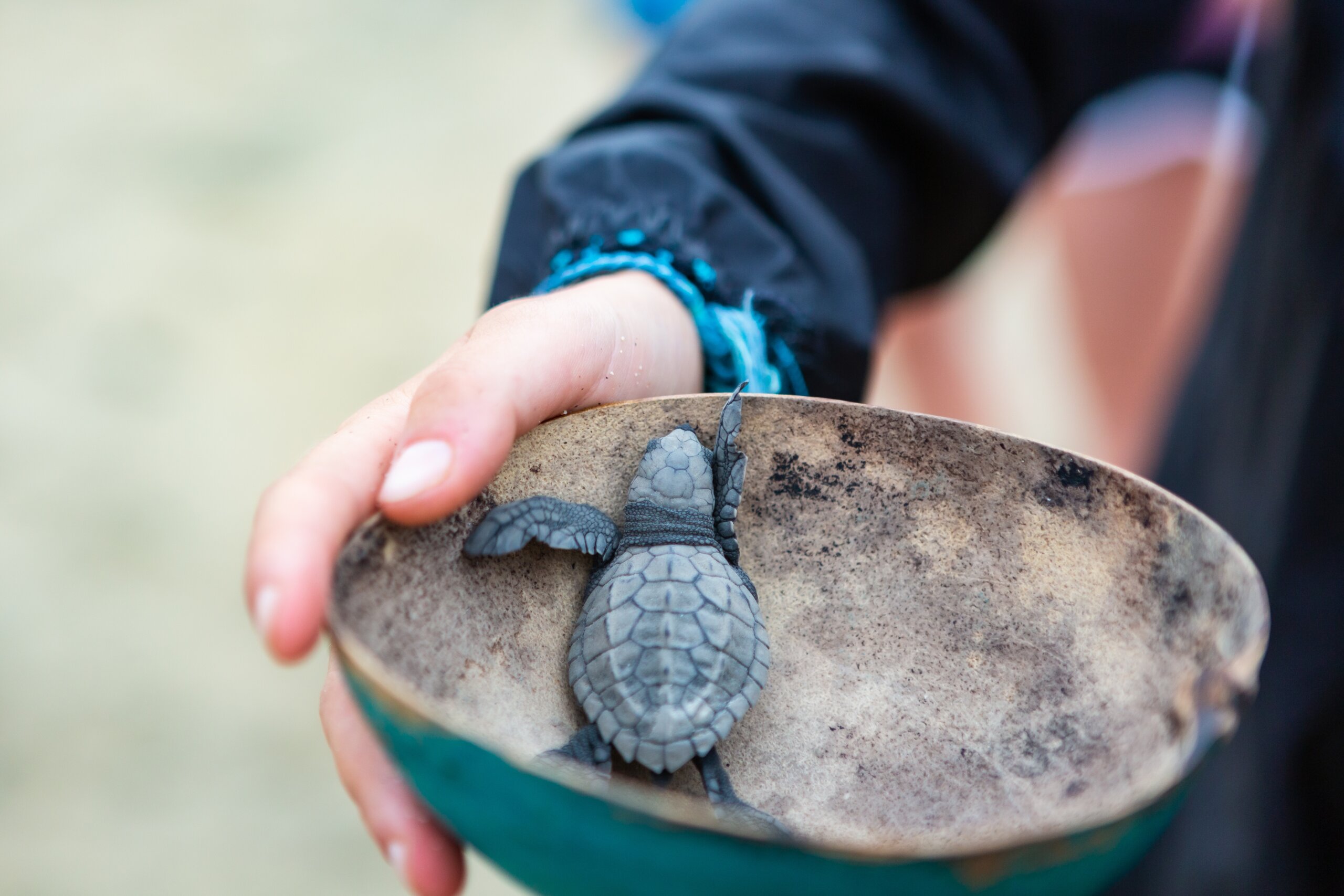
If you think the Pacific sunset is the most beautiful thing you’ll see on your vacation, just wait until you look down at the sand. Between June and January, thousands of sea turtles choose the beaches of Puerto Vallarta and Riviera Nayarit to nest, gifting us a spectacle that connects, moves, and transforms us.
In fact, of the 7 sea turtle species that exist worldwide, 6 nest on Mexican beaches. The Banderas Bay region is the preferred spot for 4 of them, such as the charming Olive Ridley, though it also receives visits from the imposing Leatherback, the Black Turtle, and, more sporadically, the Hawksbill.
Although they can lay between 30 and 200 eggs per nest, turtles face a true obstacle course from the moment they hatch. Between natural predators, ocean pollution, and beach exploitation for tourism, these ancient navigators need a little extra help to improve their odds of survival.
Guardians of the sea turtles
Behind every tiny flipper that manages to touch the sea, there is a network of biologists, volunteers, and local communities working tirelessly to conserve these species.
Whether you are looking for a deep scientific immersion, a community experience, or simply want to do your bit during your vacation, here are the organizations and camps making this miracle possible:
- Grupo de Investigación y Conservación de Flora y Fauna Silvestre A.C. (GICOFF)
This organization operates as the scientific arm of conservation in Banderas Bay. Unlike standard camps, their work focuses on research and turtle monitoring. They conduct patrols to register nesting females (biometrics and tagging), attend to reports of stranded or injured turtles, and manage environmental education programs.
If you are a student of biology, veterinary medicine, or related fields, this is the ideal option for your social service or professional internships, as the experience here is 100% practical and academic. For the general public, they organize special workshops and talks. Follow GICOFF on Instagram to find out about their volunteer calls and educational events.

- Boca de Tomates Turtle Camp
Located near the Puerto Vallarta International Airport, this camp is on a beach without hotel infrastructure, so a large portion of the municipality’s nests are collected here.
Throughout the year, they organize environmental education days, beach cleanups, and public volunteer opportunities. If you are graduating from university and want to do your social service supporting turtle conservation, you can do it at this camp.
During hatching season, they perform turtle releases at sunset. If you want to participate, keep an eye on Boca de Tomates Turtle Camp’s stories to reserve your spot. This activity has no set cost but accepts voluntary donations.
- Nuevo Vallarta Turtle Camp
This is one of the most productive camps in the region, with 400,000 releases registered annually. It is located in a very accessible area of the Nuevo Nayarit hotel zone and is administered by the National Commission of Natural Protected Areas (Conanp).
In addition to training local hotels to participate in conservation, they have been involved in awareness activities across Nayarit, Jalisco, and Guanajuato. Public hatchling releases vary by hatchling, so follow their social media profiles to participate in this moving experience. They charge a $50 MXN recovery fee.
This project, led by the Grupo Ecológico de la Costa Verde, is located in San Pancho, Nayarit. Since 1991, they have implemented conservation activities, including egg collection and incubation, and have worked with local families and fishermen to protect turtles and their nests.
Here, you can also participate in turtle releases, join beach cleanup campaigns, adopt a nest, and be part of more awareness and protection actions organized throughout the year. Additionally, they offer volunteering programs requiring a minimum stay of 7 days, which can be extended to 1 or 2 months.
Partner hotels in sea turtle conservation
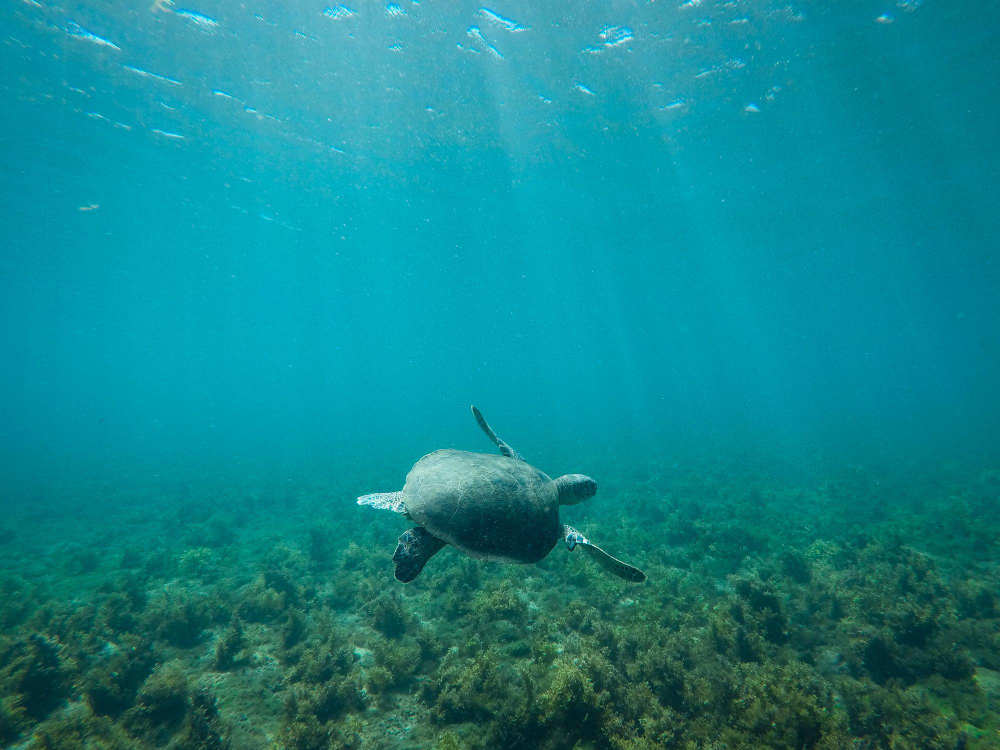
Several hotels in Puerto Vallarta and Riviera Nayarit have conservation programs, including Marriott Puerto Vallarta Resort & Spa, The Westin Resort & Spa, Sunscape Puerto Vallarta, Hyatt Ziva, Grand Velas Riviera Nayarit, and Velas Vallarta.
These hotels receive training on how to act during hatchings or nesting, as well as practices to keep the beach in suitable conditions for preservation. Some of them have their own incubation corrals, allowing guests to attend releases during the nesting season.
What to do if you find a nesting turtle or a hatching nest?
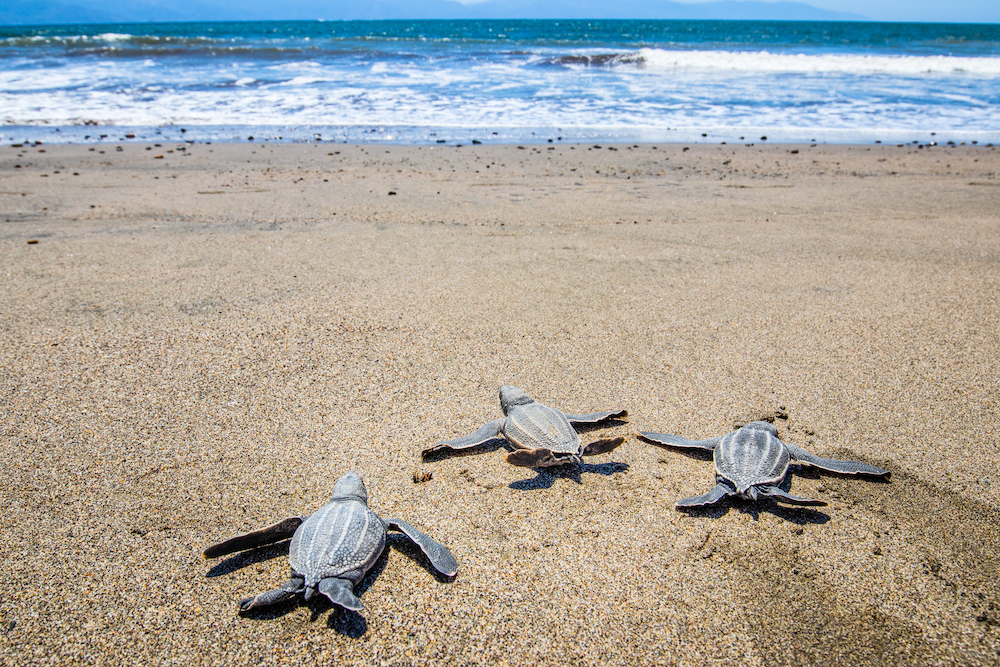
As you now know, the coast of Puerto Vallarta and Riviera Nayarit is a crucial site for turtle births. If you encounter these animals during your trip, follow the recommendations of the Grupo Tortuguero de las Californias:
If you find a turtle nest:
- Report it to PROFEPA (911) or a turtle camp near the area.
- Record the exact location of the nest with your phone or bury a stick vertically near the nest to locate it easily.
- Do not manipulate the nest, the eggs, or the turtles.
- Do not touch the turtles, as bacteria, repellents, or traces of food on your hands can be harmful to their survival.
- Upon birth, hatchlings guide themselves by sunlight to the sea. Avoid turning on lights as you could guide them in the wrong direction.
When you go to the beach:
- Avoid driving vehicles on the beach because they compact the sand and could destroy nests.
- Do not leave trash or food. It can attract wild or domestic animals that attack nesting turtles or eat the hatchlings.
If you see a turtle arriving to nest:
- Avoid illuminating it with any type of light; do not take photos with flash, as it may cause the turtle to stop digging her nest and return to the sea.
- Keep your distance so the turtle can find a suitable nesting site. Avoid crowding or forming a circle around her.
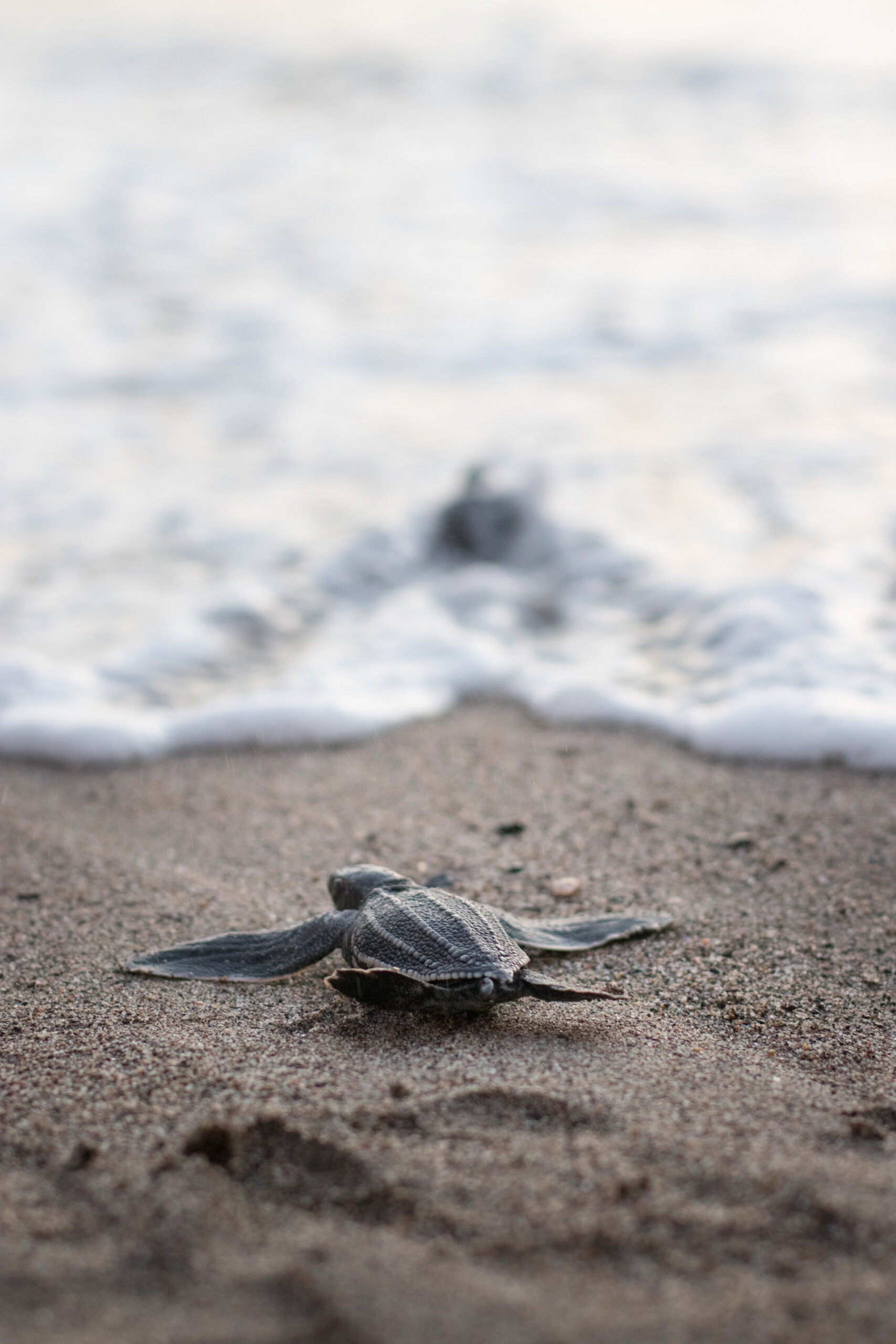
By helping release a tiny hatchling at the shore, you aren’t saying “goodbye,” but “see you later.” Thanks to their excellent magnetic memory, females remain invisibly connected to the beach where they were born and will return, between 15 and 20 years later, to lay their own eggs in the exact same spot.
So, the next time you walk along these beaches, remember: maybe that turtle you see emerging from the sea is the same one someone helped save two decades ago.
-

Create your bag charms and celebrate Mexican culture and artistry
This fall, Velas Resorts is introducing new workshops that focus on crafting unique bag charms. This initiative not only embraces the booming trend of bag…
Read more10 September 2025 -
-

Immerse yourself in Mexican tradition with a cultural wedding celebration
Velas Resorts proudly presents a newly reimagined wedding collection across all properties, celebrating Mexico’s vibrant heritage through thoughtfully curated experiences. These distinctive offerings transform destination weddings into…
Read more5 June 2025 -
-

Alebrijes: The Mexican chimeras
Alebrijes are fantastic creations that take us to an incredible place within our imagination. Its origin? A very peculiar dream.
Read more5 March 2025 -