Mahjong: A game of strategy with centuries of history
Some games entertain you for an hour. Others become social rituals. Mahjong belongs to the latter.
Its tiles—marked with characters, numbers, flowers, and symbols—may seem mysterious to anyone who has never played. But behind them is a story that began in China in the 19th century, spread throughout Asia, and became an international phenomenon during the 20th century.
Today, Mahjong is enjoying a new wave of popularity as a way to gather, socialize, and, of course, test memory and strategy.
And while learning the game may seem complicated at first, its basic premise is fairly simple: four players, a set of tiles, and the goal of creating a winning combination before the others.
From China to the world
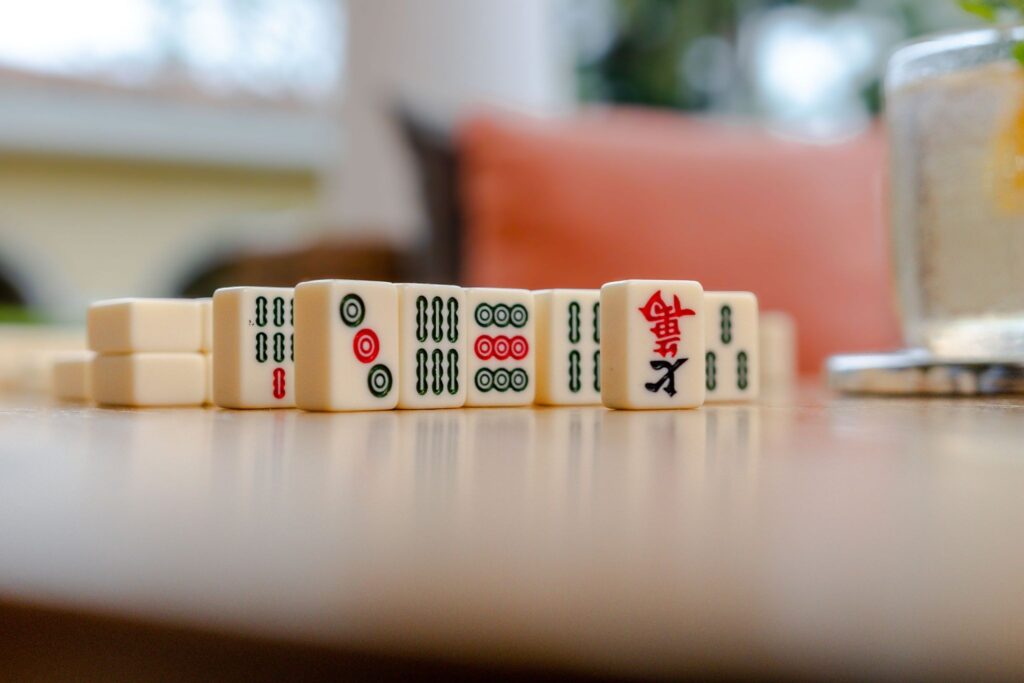
The Mahjong we know today emerged in China during the second half of the 19th century. Its exact origins remain debated, but the modern game is generally understood to have evolved from earlier Chinese card and tile games. The earliest known sets date back to the 1870s.
Its popularity grew quickly throughout China before spreading beyond the country’s borders.
By the 1920s, Mahjong had become increasingly popular in the United States, where new rules emerged, and the game became a particularly popular social activity among women’s groups. Its international spread eventually gave rise to different versions that are still played around the world today.
That is why referring to one single version of Mahjong is not entirely accurate. Chinese, Japanese, American, and other variations each have their own rules, scoring systems, and playing styles.
How is Mahjong played?
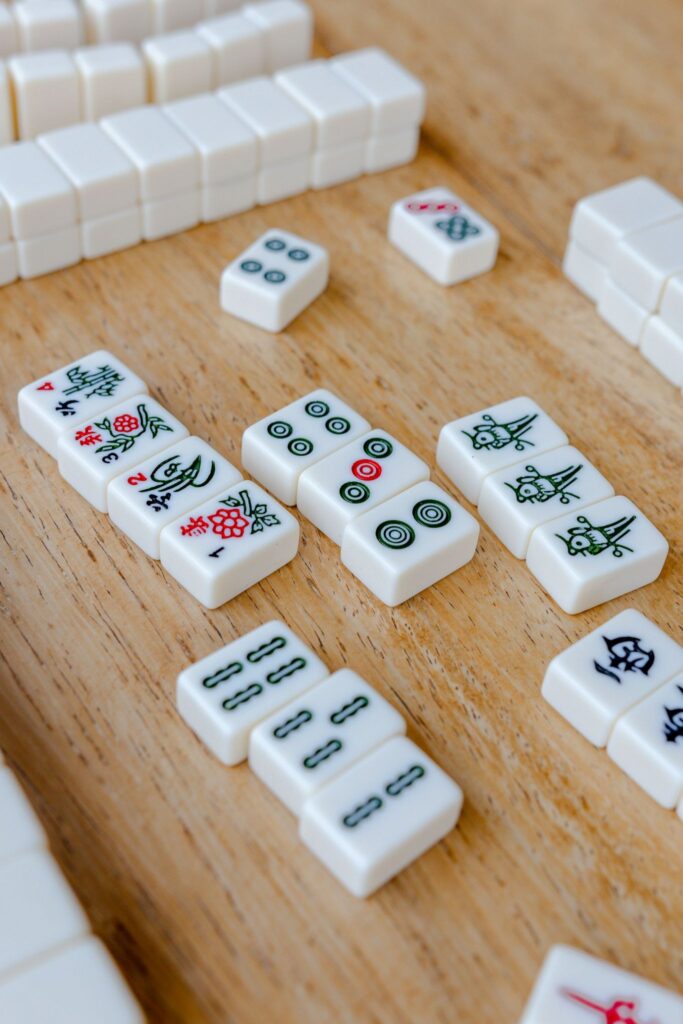
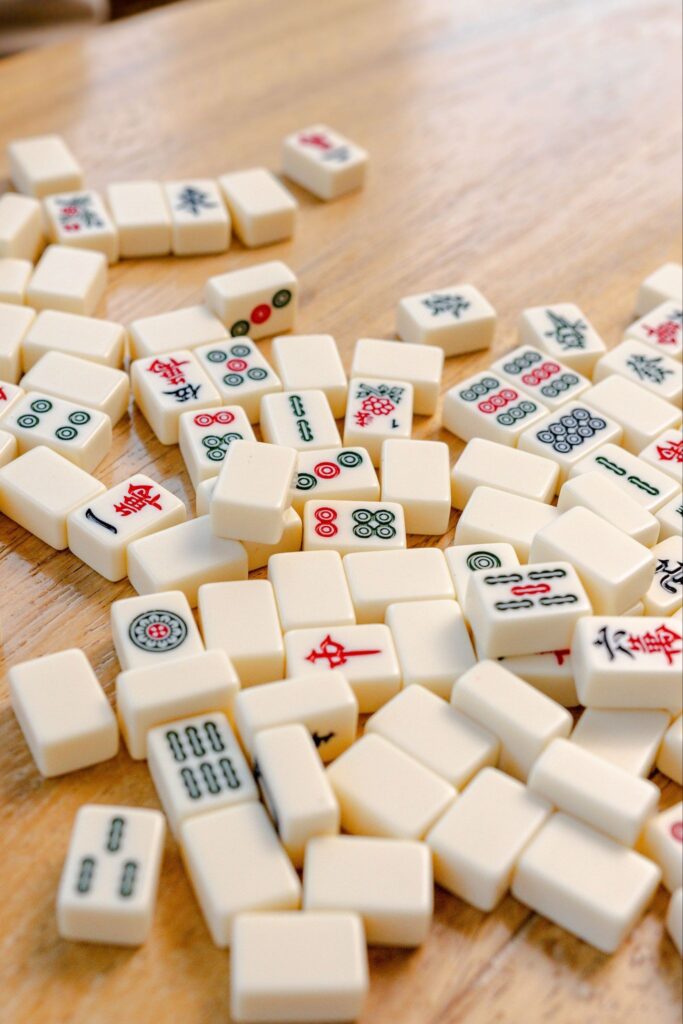
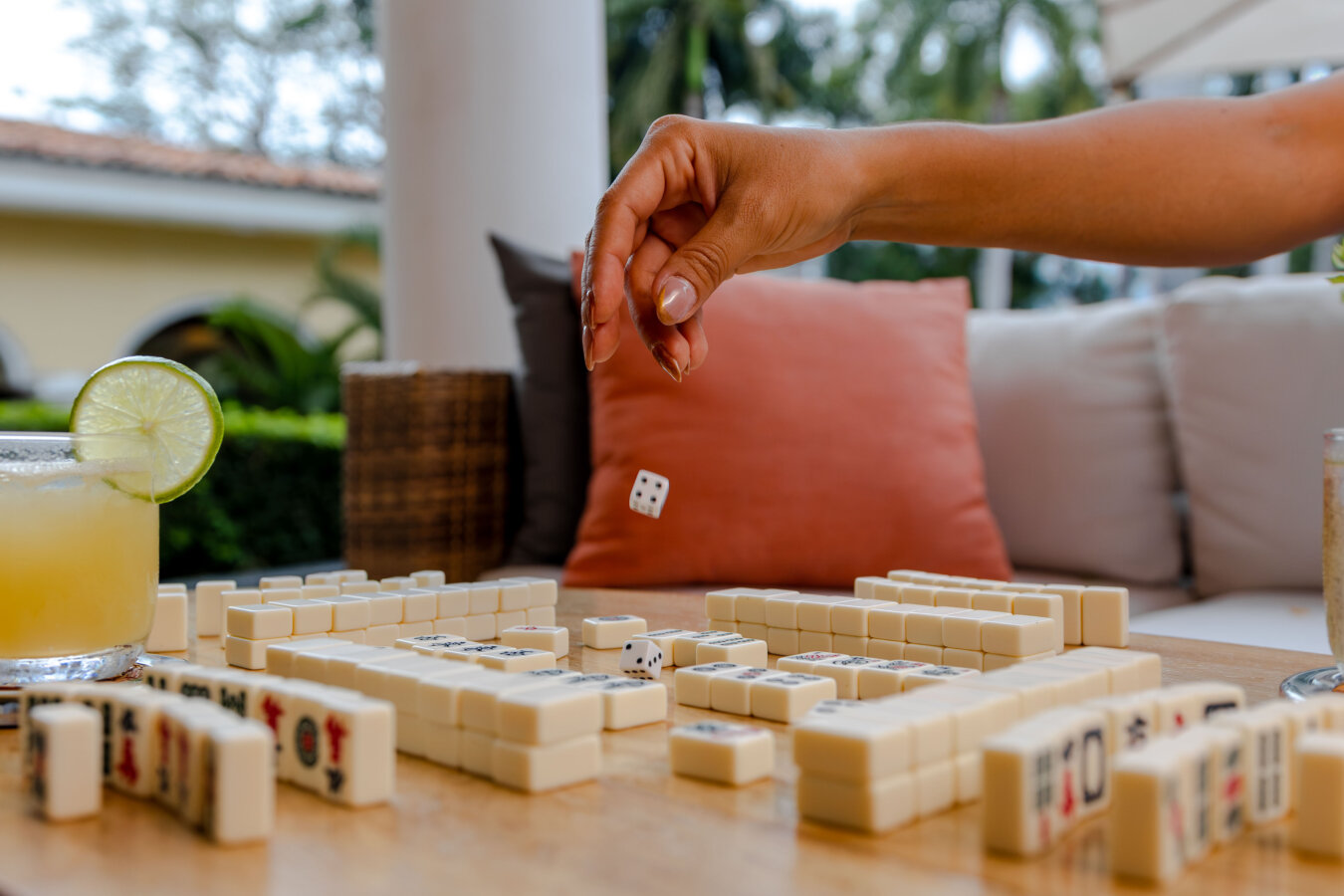
In its most traditional form, Mahjong is played by four people using a set of up to 144 tiles. These are primarily divided into three numbered suits—dots, bamboo, and characters—along with special honor tiles, including the four winds and three dragons. Some sets also include flower and season tiles.
Each player starts with a hand of tiles and, throughout the game, draws and discards pieces to create specific combinations.
The basic structure may remind you of games such as rummy: players look for groups and sequences that let them complete a valid hand. The difference is that Mahjong is not only about the tiles in your own hand. You also need to watch what other players are doing, decide what to keep or discard, and know when to change your strategy.
That combination makes Mahjong a game of luck, memory, observation, and strategy.
And that’s part of what makes it so engaging: While the basic rules can be learned relatively quickly, mastering the game takes considerably more practice.
Much more than a game
Mahjong also has an important social dimension. In China and other Asian communities, games have traditionally been part of family gatherings and get-togethers with friends. The table becomes a place to talk, compete, share food, and simply spend time together.
As Mahjong traveled to other countries, it also created new communities around the game. In the United States, for example, Mahjong groups became spaces for friendship, cultural identity, and social connection. Historical research has even documented how some of these gatherings helped create social networks that continued across generations.
Perhaps that is why the game has remained relevant for so long. The tiles matter, but what happens around the table may matter even more.
What does “Mahjong” mean?
One Chinese name associated with the game is má què, meaning “sparrow.” The term has been linked to an early name for the game and to the sound of the tiles as they are shuffled across the table.
The name Mahjong became widely used in the West in the early 20th century, especially after the game was introduced to the United States. Even the name we use today reflects Mahjong’s journey from China to cultures around the world.
A new way to discover Mahjong at Casa Velas
That social spirit is at the heart of Bubbles & Bams, a new experience at Casa Velas in Puerto Vallarta.
Beginning in October, the adults-only Luxury All-Inclusive boutique hotel will host Mahjong sessions every Tuesday and Thursday afternoon on its Lobby Terrace.
The experience is designed for both first-time players and those already familiar with the game. Each round lasts approximately 30 to 40 minutes and is designed for four players, although games can begin with a minimum of two participants.
New to Mahjong? A simple guide will walk guests through the basics, while the Casa Velas team will be available to explain the rules and answer questions along the way.
And, true to its name, Bubbles & Bams brings a little sparkle to the table. Guests can enjoy a glass of Mexican sparkling wine or cocktails such as a Hugo Spritz or French 75 while they play.
Outside of the scheduled sessions, the Mahjong set and tiles will remain available for guests who want to play at their own pace.
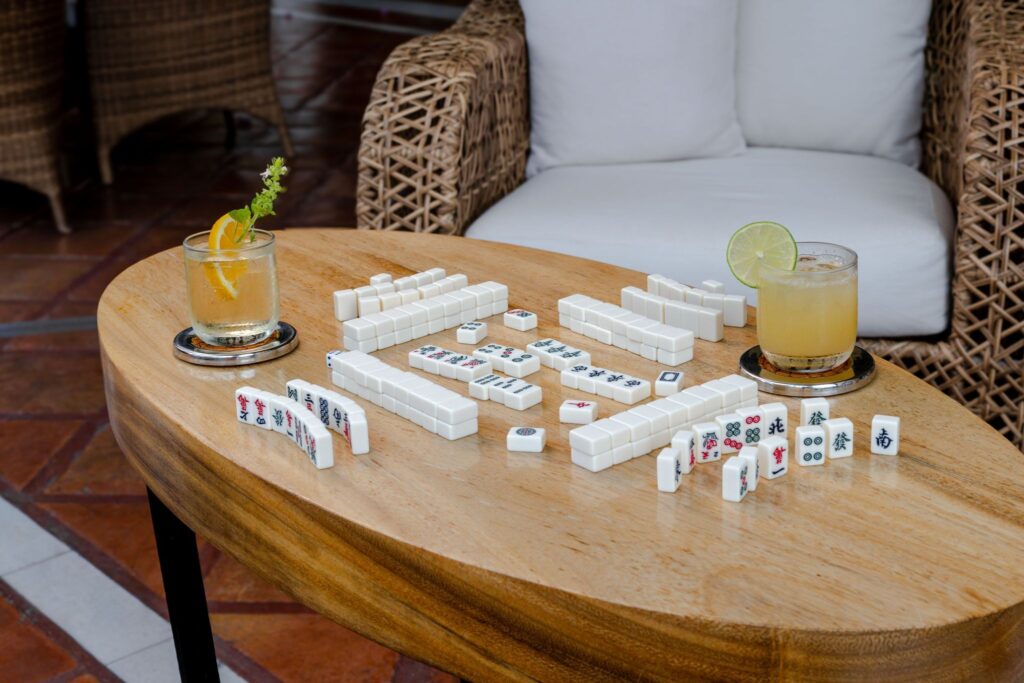
A different kind of pre-dinner ritual
The experience takes place on the Lobby Terrace, where guests can also enjoy premium drinks and live music beside the pool.
Here, Mahjong takes on a more relaxed setting. It is not about spending hours memorizing rules or becoming an expert. It is about discovering a new game, gathering around a table, and enjoying a different kind of afternoon.
Because perhaps that’s the enduring appeal of Mahjong: you don’t have to be an expert to sit down and play.
All you need is a table, a few tiles, some curiosity, and a willingness to have a good time.
And if there’s a glass of sparkling wine on the table, even better.
-
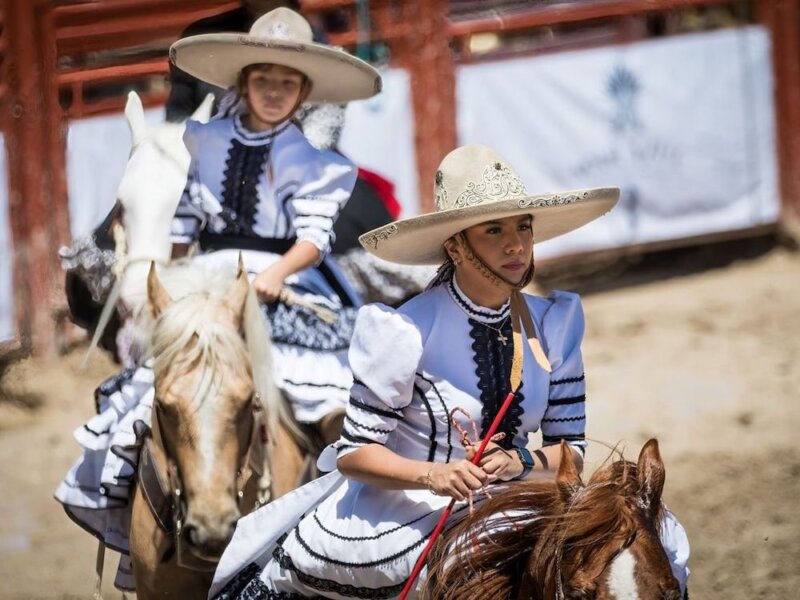
Explore charro and mariachi traditions in Puerto Vallarta
Puerto Vallarta holds a charm that transcends its beautiful golden beaches and postcard-worthy sunsets. As you walk through its picturesque streets, you breathe in a…
Read more12 September 2026 -
-

September events in Puerto Vallarta: Banderas Bay dresses in charro style!
The ninth month of the year coats Banderas Bay in mariachi chords, fine dining aromas, and authentic Pacific folklore. If you plan to enjoy the…
Read more26 August 2026 -
-

Sea turtle conservation: Meet the heroes protecting them in Vallarta-Nayarit
If you think the Pacific sunset is the most beautiful thing you’ll see on your vacation, just wait until you look down at the sand….
Read more5 January 2026 -